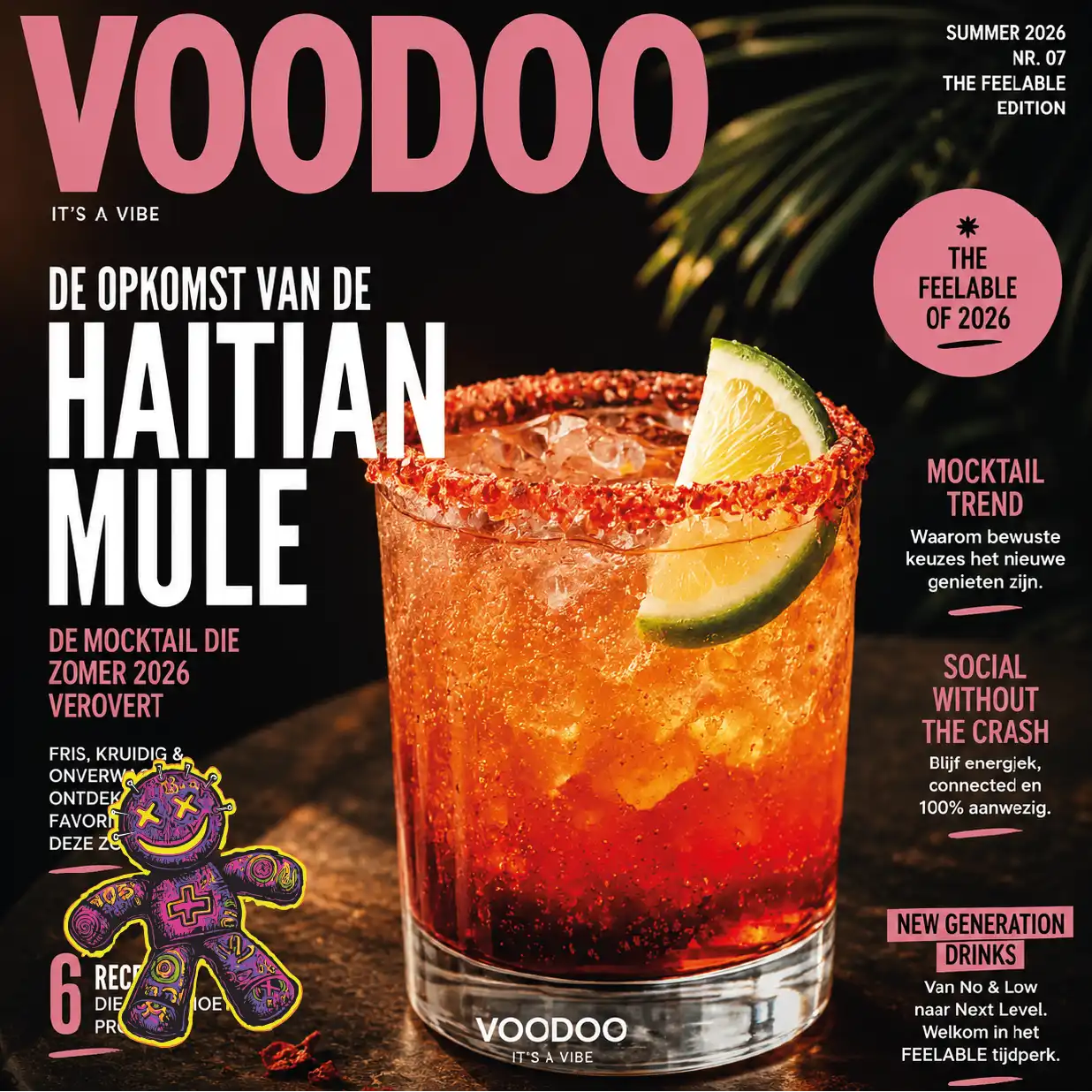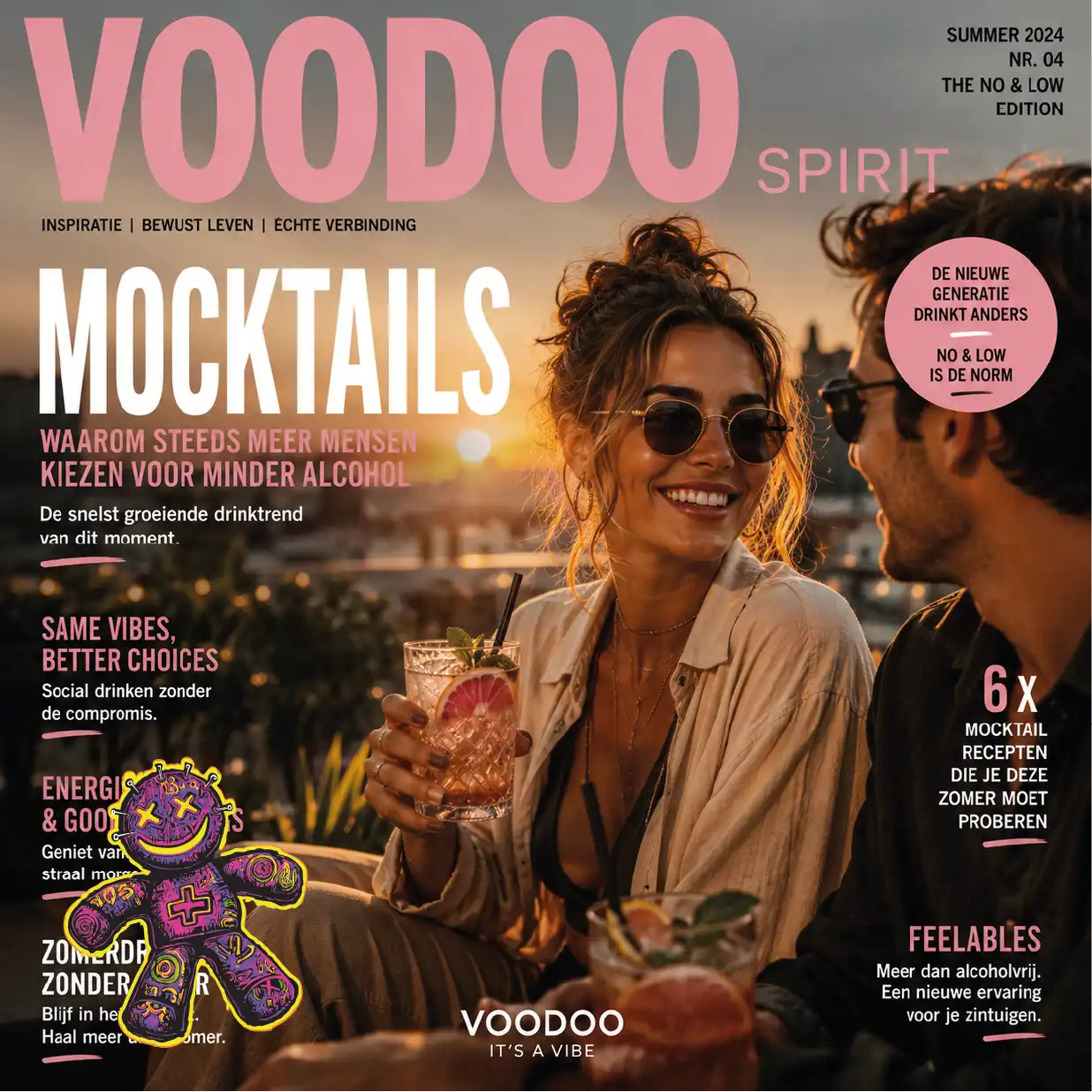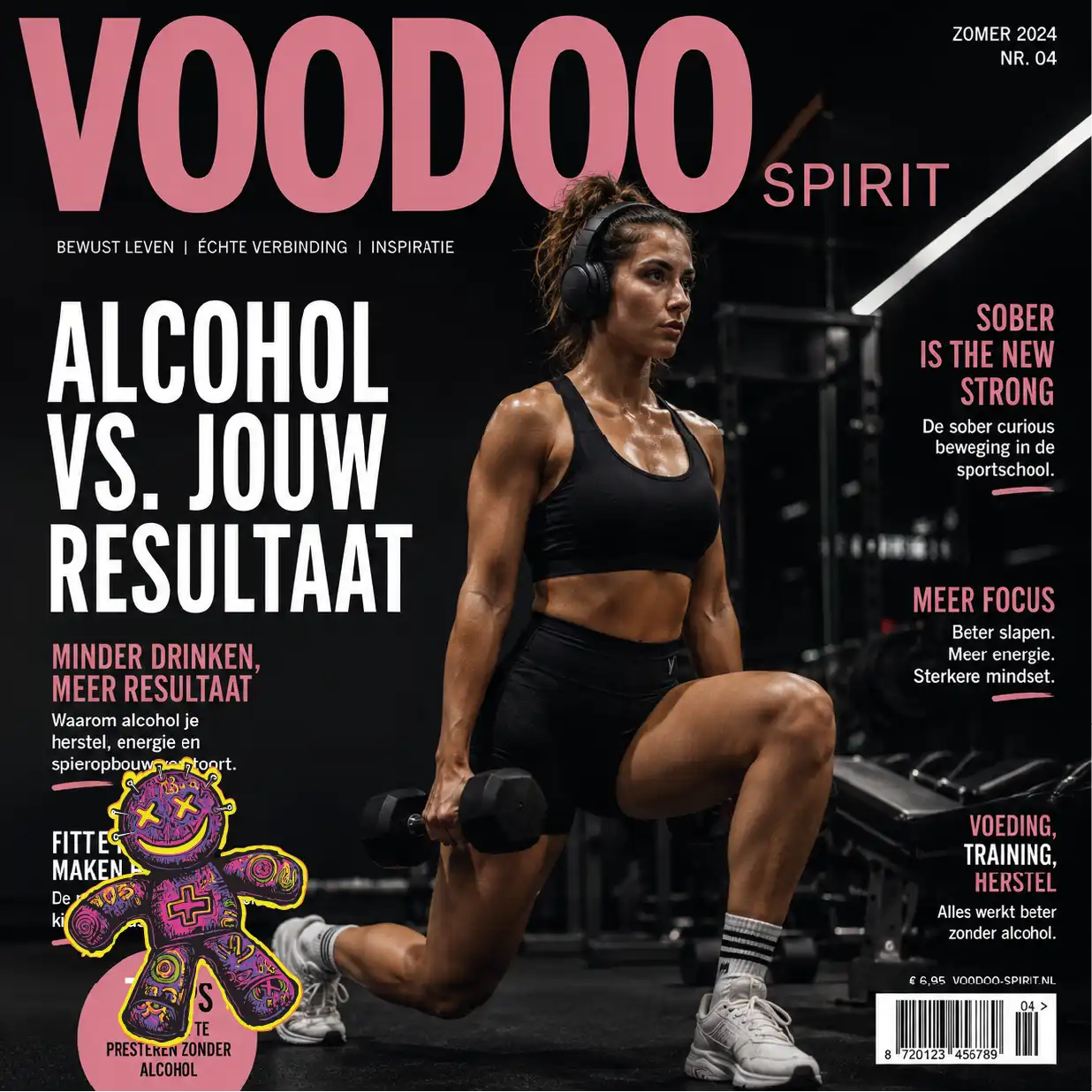
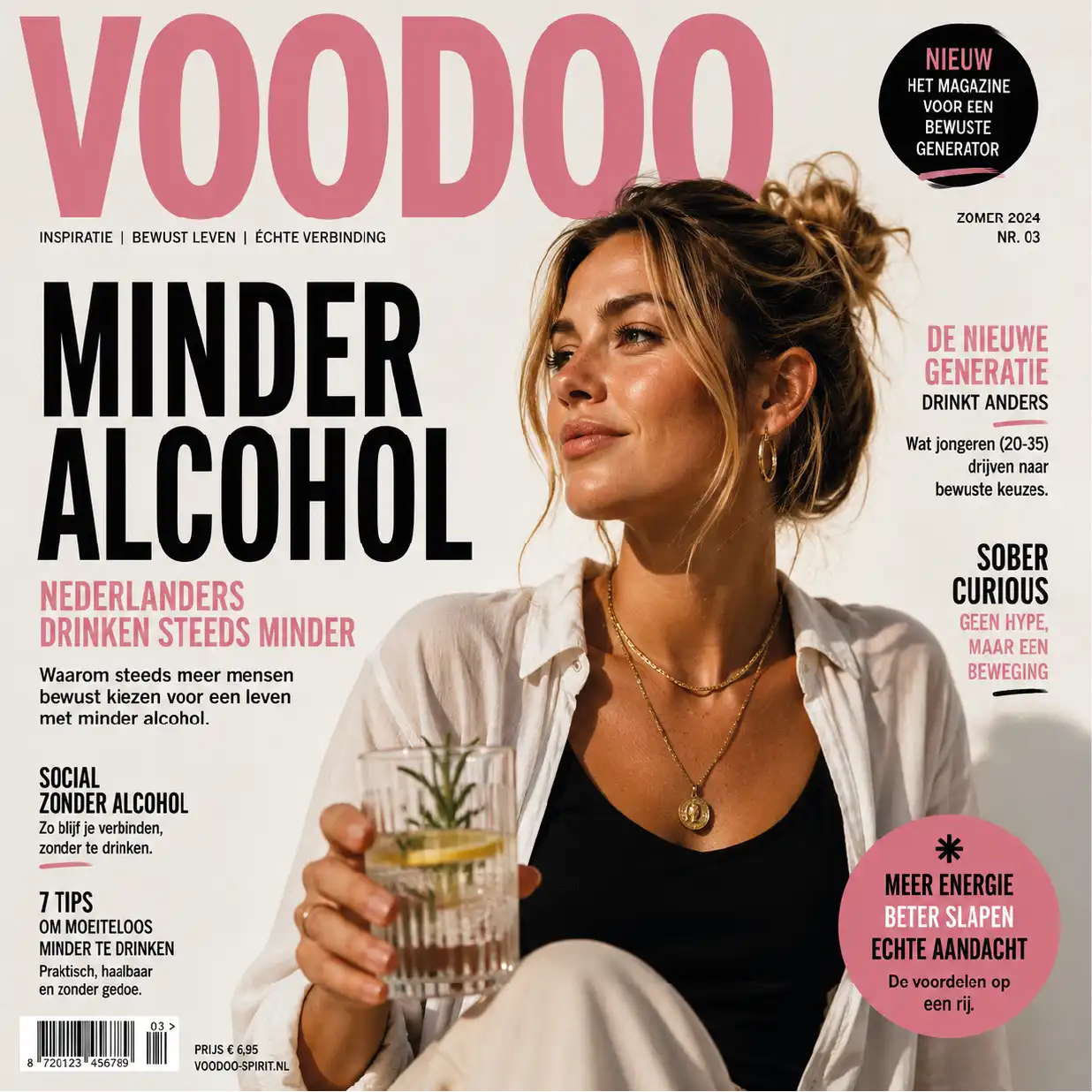
Dutch drinking habits are changing. Across the Netherlands, more consumers are actively reducing their alcohol consumption and exploring alternatives that better fit modern lifestyles. As health, wellbeing and social connection become increasingly important, many people are looking for new ways to enjoy the moment without the traditional downsides of alcohol.
Summary
- More Dutch consumers are drinking less alcohol than previous generations.
- Health, energy and wellbeing are major drivers behind this trend.
- The No & Low category is growing rapidly throughout the Netherlands.
- Consumers still want social experiences, but not necessarily intoxication.
- New categories such as FEELABLES are emerging between soft drinks and alcohol.
Why Are Dutch Consumers Drinking Less Alcohol?
- Drinking habits are changing across all age groups.
- Moderation is becoming more socially accepted.
- Younger consumers are leading the shift.
For decades, alcohol was considered a standard part of social life in the Netherlands. Whether meeting friends, attending a festival or celebrating a special occasion, drinking was often seen as part of the experience. Today, that assumption is beginning to change.
Many Dutch consumers are becoming more aware of how alcohol affects their energy levels, productivity, sleep quality and overall wellbeing. Rather than completely avoiding alcohol, many people are simply choosing to drink less often or consume smaller amounts. This trend is especially visible among younger generations, who often place greater value on balance and personal wellbeing.
At the same time, moderation has become more socially accepted. Consumers no longer feel pressured to drink simply because everyone else is. The result is a market where people are increasingly open to exploring alternatives that still allow them to participate in social moments.
This shift is not about removing fun from social life. Instead, it reflects a growing desire to enjoy experiences while maintaining control over how people feel both during and after the occasion.
Health, Energy and Feeling Better the Next Day
- Consumers are paying more attention to wellbeing.
- Recovery and sleep quality are becoming priorities.
- Many people want to avoid hangovers.
One of the biggest reasons Dutch consumers are drinking less alcohol is simple: they want to feel better. Modern lifestyles are busy, demanding and often focused on performance. People want energy for work, family, hobbies and social activities without sacrificing the following day.
Alcohol is increasingly being evaluated through this lens. Consumers are asking themselves whether a few hours of drinking are worth the reduced energy, poor sleep and slower recovery that often follow. For many people, the answer is becoming less obvious than it once was.
The growth of fitness culture, wellness trends and health awareness has also contributed to changing attitudes. Activities such as running, gym training, cold exposure, meditation and healthy eating have become mainstream. These habits naturally encourage people to think differently about alcohol consumption.
Importantly, consumers are not necessarily looking for restriction. They still want excitement, enjoyment and memorable experiences. What they are increasingly seeking is a way to participate socially without compromising how they feel the next morning. This creates demand for entirely new types of products and experiences.
The Growth of No & Low Alternatives in the Netherlands
- No & Low products are becoming mainstream.
- Retailers are expanding their selections.
- Consumers have more options than ever before.
The Dutch drinks market has changed significantly over the past decade. What started with a small selection of alcohol-free beers has evolved into a broad category that includes wines, botanical drinks, mocktails and innovative beverage concepts.
Consumers no longer see alcohol-free products as a compromise. Instead, they increasingly view them as a valid choice for specific moments and occasions. This has encouraged supermarkets, bars and restaurants to invest more heavily in their alcohol-free offerings.
The No & Low movement reflects a larger shift in consumer behaviour. People want flexibility. Some consumers drink occasionally. Others alternate between alcoholic and alcohol-free options. Many simply want the freedom to choose based on the situation.
As demand continues to grow, brands are introducing new products that focus on flavour, ritual and experience rather than intoxication. This creates opportunities for categories that sit somewhere between traditional soft drinks and traditional alcoholic beverages.
Consumers Still Want Social Experiences
- Social connection remains important.
- People still want to celebrate and participate.
- The experience is becoming more important than the alcohol.
A common misconception is that drinking less alcohol means people no longer want to socialise. In reality, the opposite is often true. Dutch consumers continue to value festivals, dinners, nightlife, celebrations and meaningful social interactions.
What is changing is the role alcohol plays within those experiences. Increasingly, consumers are seeking connection, atmosphere and enjoyment rather than intoxication itself. The drink becomes part of the occasion rather than the main reason for it.
This shift is creating demand for products that offer something different. Consumers are looking for drinks that feel adult, exciting and suitable for social settings. They want options that contribute to the moment while supporting the lifestyle choices they are making.
This is where entirely new categories are beginning to emerge. Rather than choosing between alcohol and a soft drink, consumers are becoming interested in products that create a unique experience while remaining aligned with modern values and expectations.
What Does This Mean for the Future – And Where Does VOODOO Fit?
- Consumers are looking for alternatives, not restrictions.
- New beverage categories are emerging.
- FEELABLES are part of this evolution.
The future of drinking is unlikely to be defined by alcohol versus alcohol-free. Instead, it will be defined by choice. Consumers increasingly want products that fit specific occasions, moods and experiences.
This is one of the reasons new categories are appearing between traditional soft drinks and alcoholic beverages. Rather than focusing on intoxication, these products focus on experience, ritual, atmosphere and social connection.
VOODOO was created within this changing landscape. As part of the emerging FEELABLES category, VOODOO offers a different approach to social occasions. It is designed for people who still want to participate, connect and be part of the moment while exploring alternatives to traditional drinking habits.
For consumers interested in learning more about this new category, the VOODOO Home Page provides additional information about the concept behind FEELABLES and the future of social drinking experiences.
Conclusion
Dutch consumers are drinking less alcohol, but they are not drinking less life. Health, energy, wellbeing and changing social priorities are driving one of the most significant shifts the beverage industry has seen in decades. At the same time, consumers continue to seek enjoyment, connection and memorable experiences.
The result is a rapidly evolving market where No & Low alternatives, alcohol-adjacent products and new categories such as FEELABLES are becoming increasingly relevant. As consumer preferences continue to evolve, the future of social drinking is likely to be defined not by restriction, but by greater choice, flexibility and experience.