
The Sober Curious movement is changing the way people think about alcohol. More consumers are questioning traditional drinking habits and exploring alternatives that better fit modern lifestyles. But while the No & Low category continues to grow, an important question remains: are consumers simply looking for less alcohol, or are they looking for something more?
Summary
- Sober Curious is becoming a major consumer trend.
- No & Low products are growing rapidly in retail and hospitality.
- Albert Heijn recently dedicated an entire magazine to the movement.
- Consumers increasingly want healthier choices and better balance.
- A growing group is not only looking for less alcohol, but also for more experience.
What Does Sober Curious Actually Mean?
- Sober Curious is not the same as being sober.
- Consumers are becoming more intentional about drinking.
- The trend is especially popular among younger generations.
The term Sober Curious describes a growing movement of people who actively question their relationship with alcohol. Unlike people who completely stop drinking, Sober Curious consumers are simply more conscious about when, why and how much they drink.
For many people, the movement is not about rules or restrictions. Instead, it is about making intentional choices. Consumers may decide not to drink during weekdays, switch between alcoholic and alcohol-free options, or choose alternatives during specific social occasions.
The trend has gained significant attention among Gen Z and Millennials, who are often more focused on wellbeing, productivity and balance than previous generations. Social media, fitness culture and changing attitudes toward health have accelerated this shift.
As a result, Sober Curious has evolved from a niche lifestyle into a mainstream consumer trend that is influencing retailers, hospitality businesses and beverage brands throughout Europe.
Why Are Retailers Embracing the No & Low Trend?
- Demand for alcohol-free products continues to grow.
- Major retailers are expanding their offerings.
- Consumer behaviour is changing.
Retailers are responding quickly to the growing popularity of No & Low products. Supermarkets, bars and restaurants increasingly recognise that consumers want more choice than ever before.
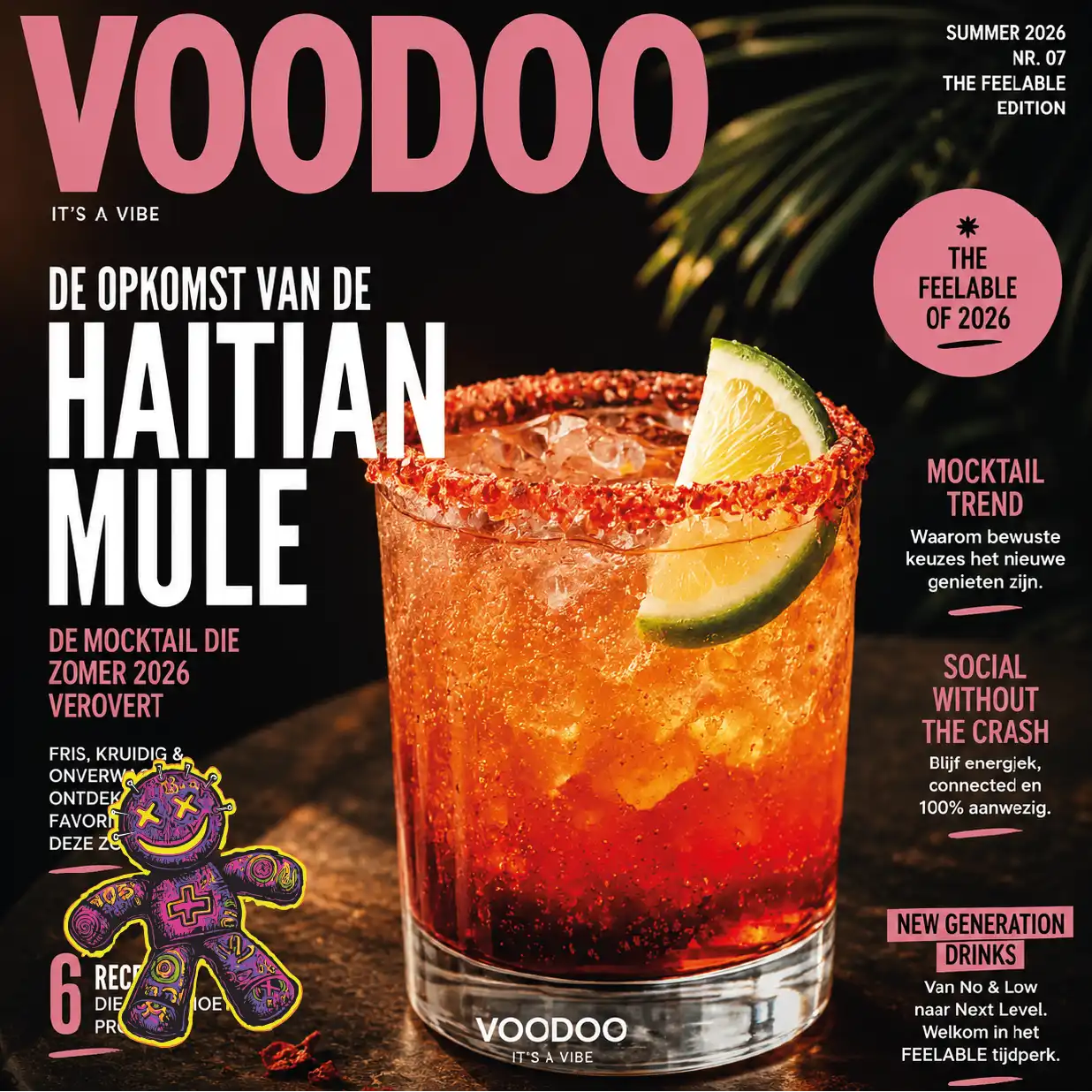
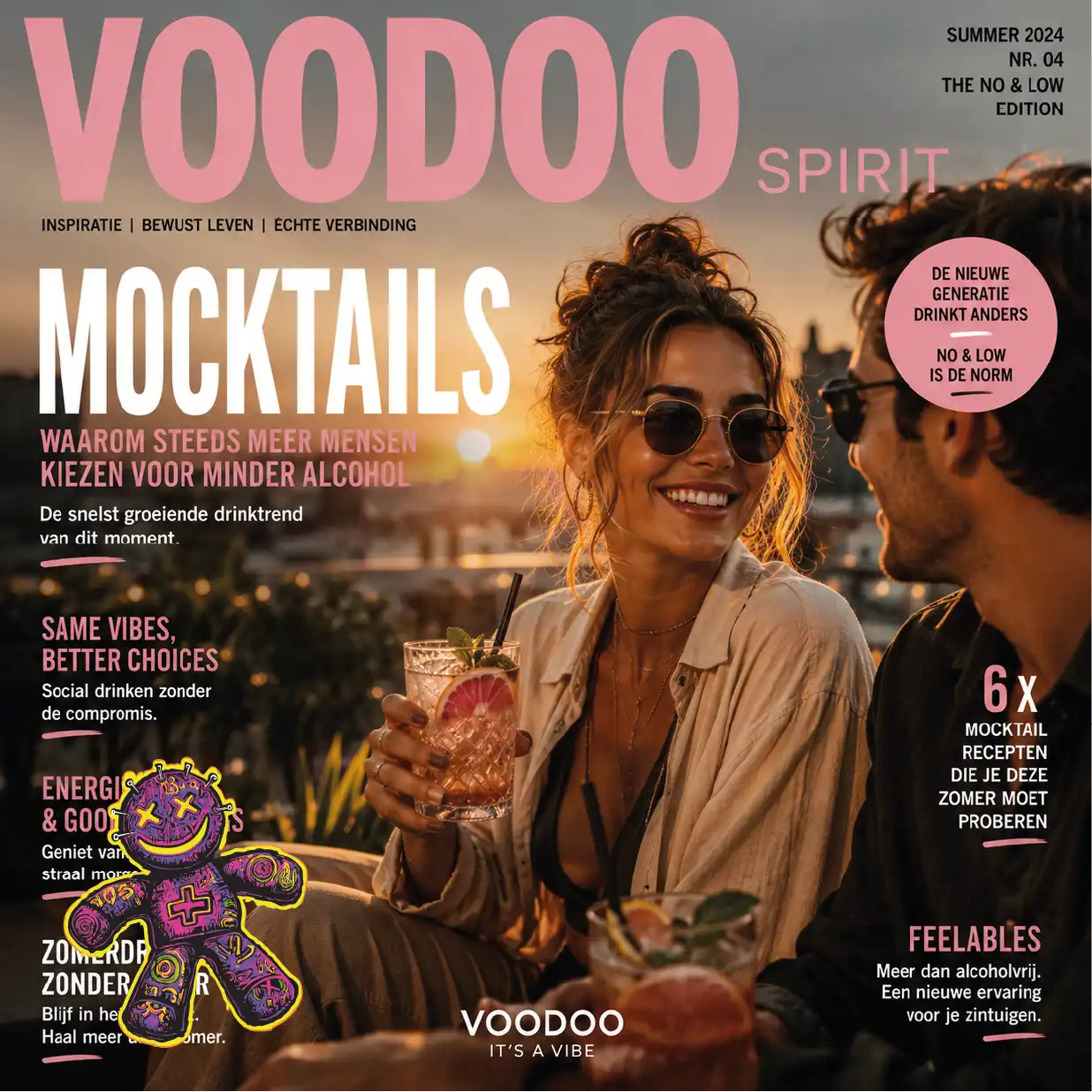
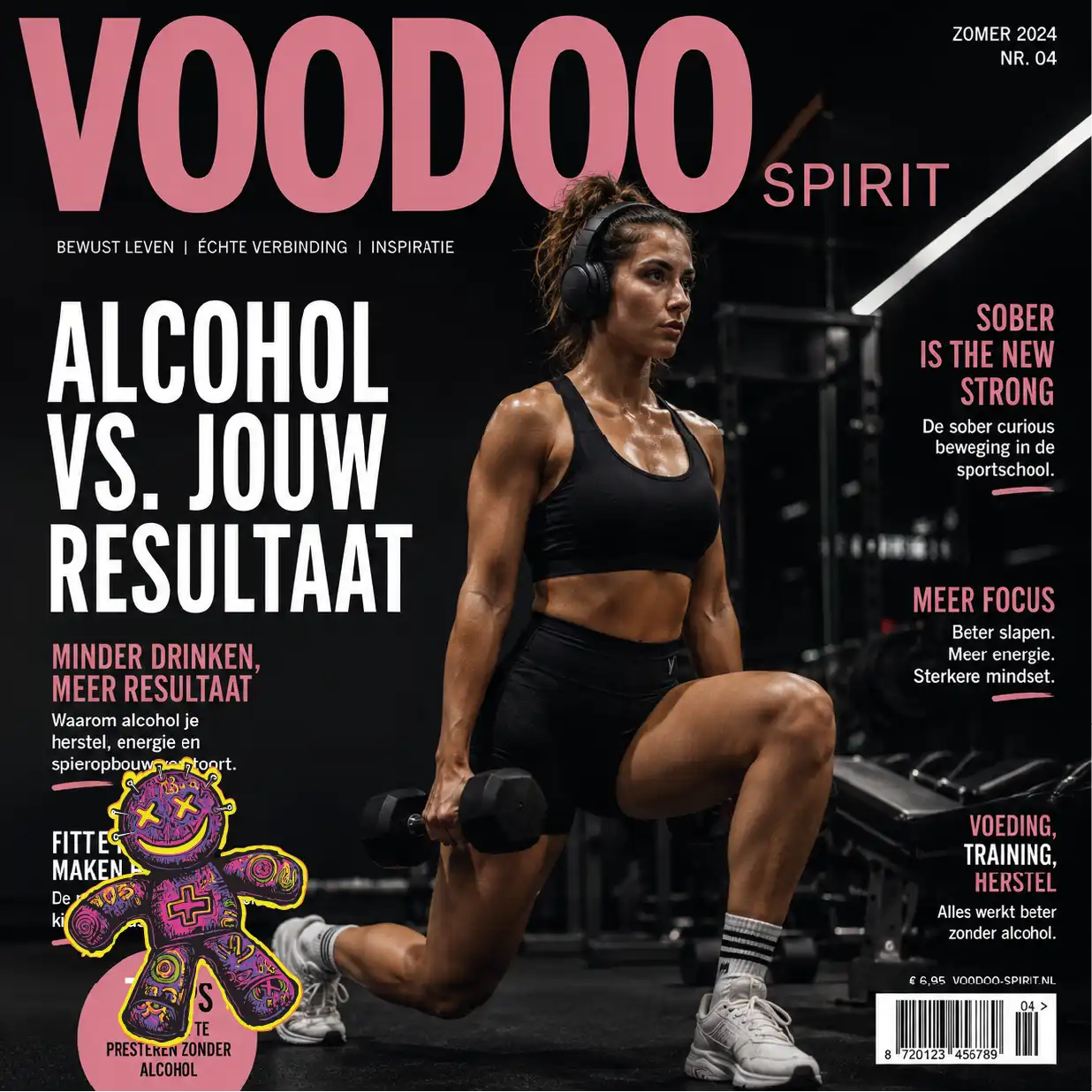
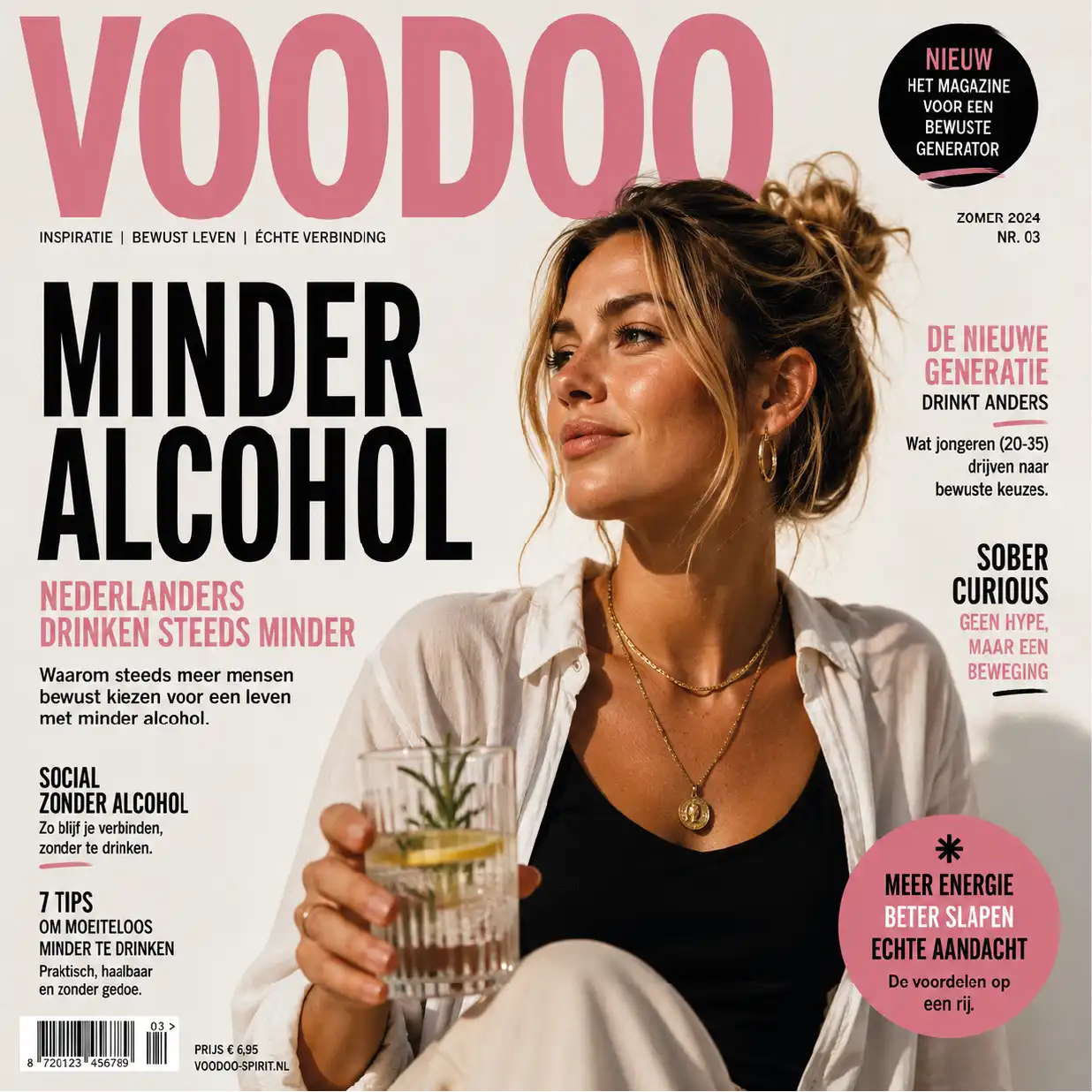
A recent example is Albert Heijn’s dedicated magazine focusing on alcohol-free lifestyles, No & Low beverages and changing consumer habits. The publication highlights topics such as mindful drinking, Sober Curious lifestyles and healthier alternatives to traditional alcohol consumption.
This reflects a broader market reality. Consumers are becoming more selective about what they drink and why. Product categories that barely existed a decade ago are now receiving dedicated shelf space and marketing campaigns.
For retailers, this represents an opportunity to attract consumers who are actively searching for alternatives. For consumers, it means greater availability and a wider range of choices than ever before.
The No & Low category is no longer a niche. It has become a significant part of the future of the beverage industry.
Are Consumers Looking for Less Alcohol or More Experience?
- Removing alcohol is only part of the story.
- Consumers still want social experiences.
- The desire for connection and enjoyment remains strong.
One challenge within the No & Low category is that many products focus primarily on what has been removed. Less alcohol. Less sugar. Fewer calories. Lower consumption.
While these benefits are important, they do not fully explain what consumers are actually seeking.
People still go to festivals. They still meet friends. They still celebrate milestones and enjoy nightlife. The desire for social connection has not disappeared simply because drinking habits are changing.
This raises an interesting question. If consumers are drinking less alcohol, what are they looking for instead?
Increasingly, the answer appears to be experience. Consumers want products that contribute to the atmosphere of a social occasion. They want ritual, flavour, excitement and participation. They want to feel part of the moment rather than standing outside of it.
The conversation is slowly moving from “less alcohol” toward “better experiences.”
The Missing Piece in the No & Low Conversation
- The discussion often focuses on reduction.
- Experience is becoming a growing consumer need.
- New categories are emerging.
Much of the current conversation around No & Low products focuses on avoiding negatives. Less alcohol. Less sugar. Fewer calories. Better choices.
While these themes resonate strongly with consumers, they do not tell the whole story.
Many consumers are not simply searching for absence. They are searching for presence. They want to enjoy social occasions, participate in celebrations and feel connected to the people around them.
This is where entirely new categories begin to emerge. Categories that are not built around what has been removed, but around what has been added to the experience.
The rise of concepts such as functional beverages, alcohol-adjacent drinks and FEELABLES reflects this evolution. Rather than replacing alcohol with a traditional soft drink, these products aim to create new types of social experiences designed for modern consumers.
As the market matures, this aspect of the conversation is likely to become increasingly important.
What Does Sober Curious Mean for the Future of Drinking?
- The movement is still growing.
- Experience will become increasingly important.
- FEELABLES may become part of the next chapter.
The Sober Curious movement has already changed the drinks industry. It has influenced consumer behaviour, encouraged innovation and created entirely new opportunities for retailers and brands.
However, the next stage of this evolution may be about more than simply drinking less alcohol. Consumers increasingly want products that help them participate in social moments in ways that feel relevant to modern lifestyles.
This is where concepts such as FEELABLES become particularly interesting. Rather than focusing exclusively on what consumers are avoiding, the category focuses on what they are seeking – connection, atmosphere, ritual and experience.
For consumers exploring alternatives beyond traditional No & Low products, the VOODOO Shop offers insight into a category that is designed around participation rather than intoxication.
Conclusion
Sober Curious is no longer a niche trend. It has become a major consumer movement that is reshaping the drinks industry throughout Europe. Retailers, including Albert Heijn, are responding with expanding No & Low offerings and increased attention to changing consumer preferences.
Yet while much of the discussion focuses on drinking less, many consumers are ultimately searching for something more. More connection. More participation. More experience. As the market continues to evolve, categories that address these desires may play an increasingly important role in the future of social drinking.