Dutch drinking habits are changing. Research from the Trimbos Institute shows that alcohol consumption is declining, especially among younger generations. At the same time, consumers are increasingly exploring alcohol-free alternatives. But while the market has responded with alcohol-free beer, wine and mocktails, an important question remains: are these products really delivering what people are looking for?
Summary
- Dutch consumers are drinking less alcohol.
- Younger generations are driving the Sober Curious movement.
- Alcohol-free drinks continue to gain popularity.
- Many consumers still seek atmosphere, ritual and connection.
- A gap is emerging between alcohol and traditional alcohol-free options.
Dutch Drinking Habits Are Changing
- Alcohol consumption is declining.
- Younger consumers drink less than previous generations.
- Conscious choices are becoming more common.
According to data published by the Trimbos Institute, alcohol consumption patterns in the Netherlands continue to change. While alcohol remains part of Dutch culture, fewer consumers automatically reach for alcoholic drinks during social occasions than in previous decades.
This trend is particularly visible among younger generations. Many consumers are becoming more aware of the role alcohol plays in their lifestyle, energy levels and overall wellbeing. Rather than following old habits, they are making more intentional decisions about when and why they drink.
The rise of movements such as Sober Curious reflects this shift. Consumers are not necessarily rejecting social occasions. They are simply becoming more selective about how they participate in them.
For the drinks industry, this change represents a significant opportunity. As drinking habits evolve, demand for new categories and new experiences continues to grow.
The Rise of Alcohol-Free Alternatives
- Alcohol-free options are becoming mainstream.
- Mocktails and botanical drinks are growing rapidly.
- Consumers want more choice.
As consumers reduce their alcohol intake, the market has responded with an expanding range of alternatives.
Alcohol-free beer is now widely available in supermarkets, bars and restaurants. Alcohol-free wine continues to improve in quality. Premium mocktails have become standard menu items at many hospitality venues.
This growth reflects a genuine consumer demand. People increasingly want options that allow them to participate in social occasions without necessarily consuming alcohol.
However, while these alternatives solve one problem, they do not always solve another. Many consumers discover that replacing alcohol is relatively easy. Replacing the experience is much harder.
The success of alcohol-free products demonstrates that demand exists. The next challenge is understanding what consumers actually want beyond simply removing alcohol from the equation.
What Are Consumers Really Looking For?
- People still want social connection.
- Rituals remain important.
- Experience matters as much as flavour.
One of the biggest misconceptions surrounding alcohol-free trends is that consumers are only searching for products without alcohol.
In reality, many consumers are searching for something much deeper. They still want memorable evenings. They still want celebration, atmosphere and social connection. They still want drinks that feel special and fit the occasion.
This is why presentation, storytelling and experience have become such important trends within the drinks industry. Consumers increasingly judge a drink by more than its ingredients alone.
A beautifully served mocktail often feels more satisfying than a standard soft drink because it preserves part of the ritual. The glass, the garnish, the anticipation and the shared experience all contribute to the occasion.
The challenge for brands is no longer simply removing alcohol. The challenge is creating experiences that consumers genuinely want to choose.
The Gap Between Alcohol and Alcohol-Free
- Most products fit into one of two categories.
- Consumers increasingly seek something different.
- New beverage concepts are emerging.
Today’s beverage market is largely divided into two worlds.
On one side sits traditional alcohol. On the other side sits the growing alcohol-free category.
But what exists between them?
This question is becoming increasingly relevant as consumer preferences evolve. Many people are no longer interested in intoxication, yet they still want more excitement and engagement than a standard soft drink provides.
This creates a noticeable gap in the market. Consumers are looking for products that fit modern lifestyles while still supporting social occasions and memorable experiences.
Across multiple industries, new categories often emerge when consumer needs are no longer fully met by existing options. The beverage market appears to be reaching a similar moment.
The growing popularity of premium serves, mocktails and experience-driven drinks suggests consumers are actively searching for something beyond the traditional choices currently available.
How FEELABLES Could Represent the Next Step
- Experience is becoming the focus.
- Consumers want more than alcohol-free.
- New categories are beginning to emerge.
As consumer expectations continue to evolve, entirely new beverage categories are beginning to appear.
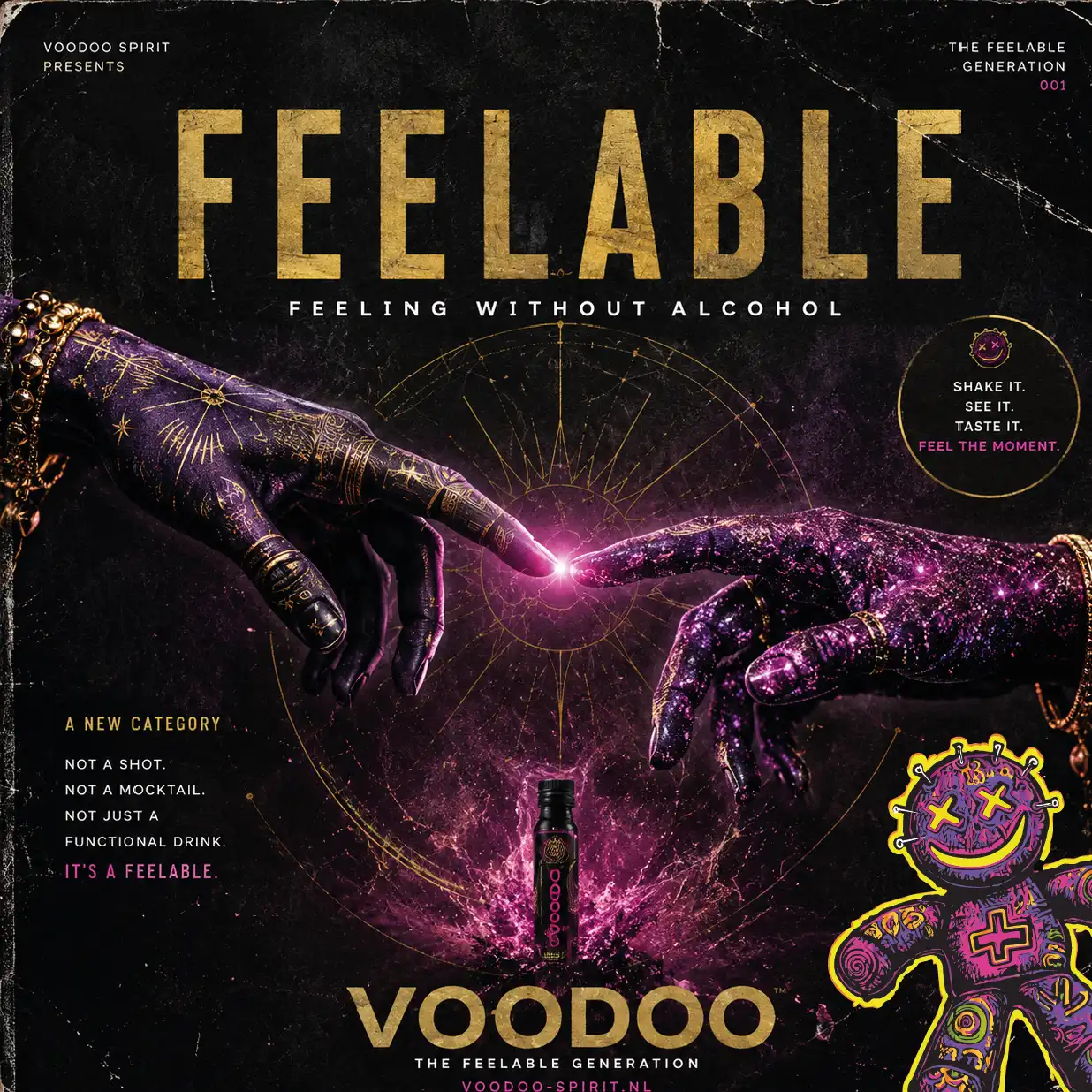
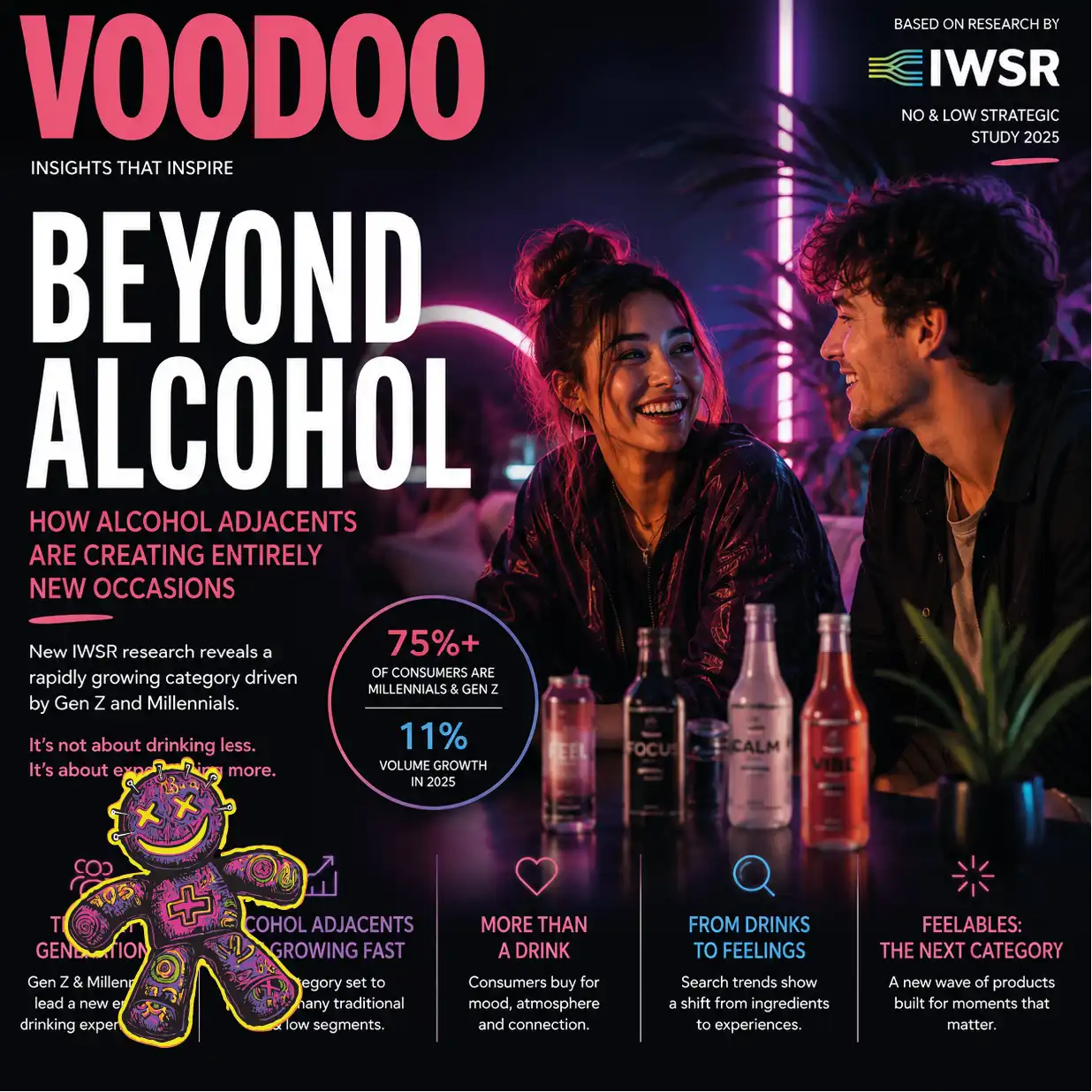
One example is the emerging FEELABLES category. Rather than focusing solely on removing alcohol, FEELABLES focus on the social experience itself. The category reflects a growing demand for products that fit modern lifestyles while preserving the atmosphere and rituals people enjoy.
This idea aligns closely with the trends identified by Trimbos and broader shifts within the Dutch drinks market. Consumers are becoming more intentional, more experience-driven and more open to alternatives.
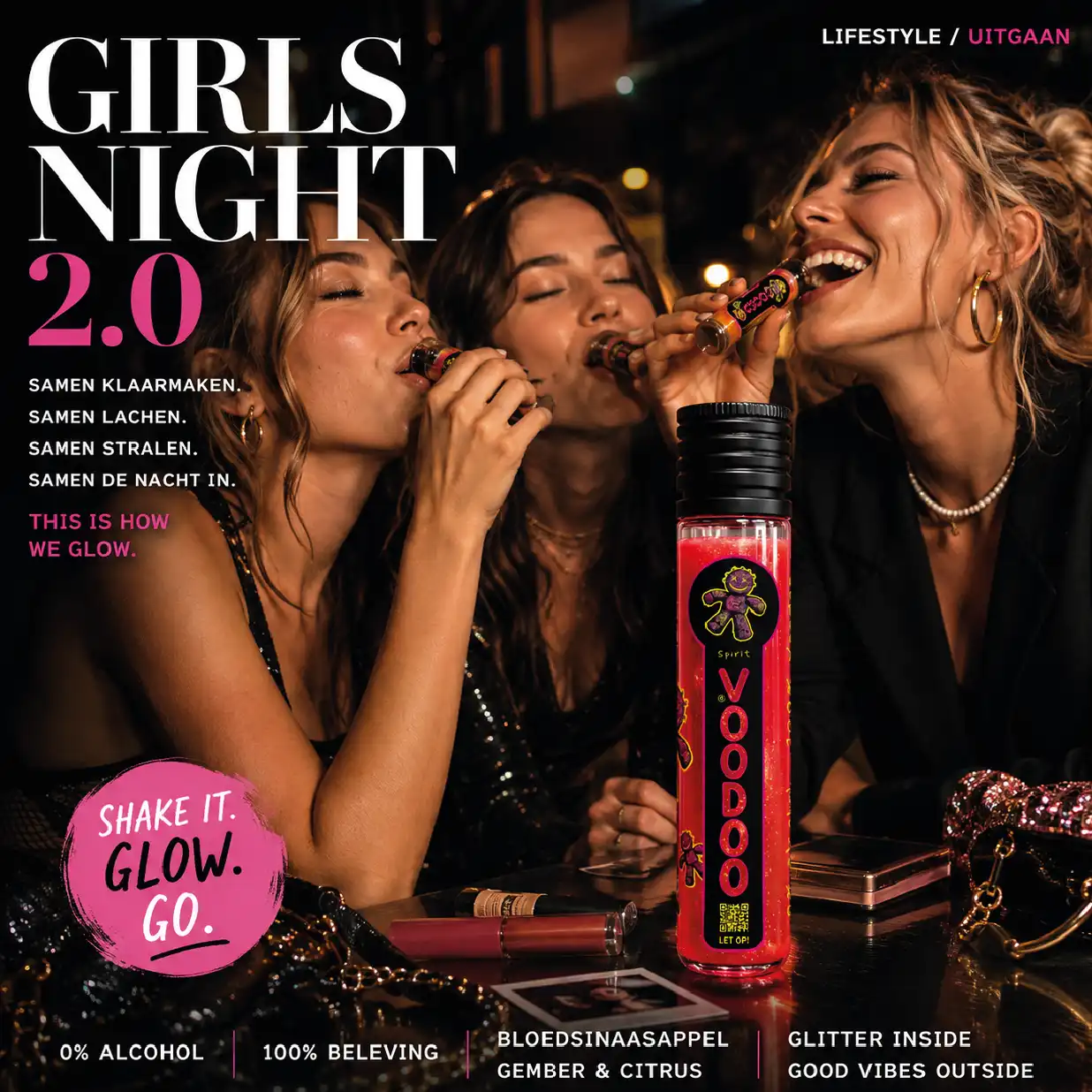
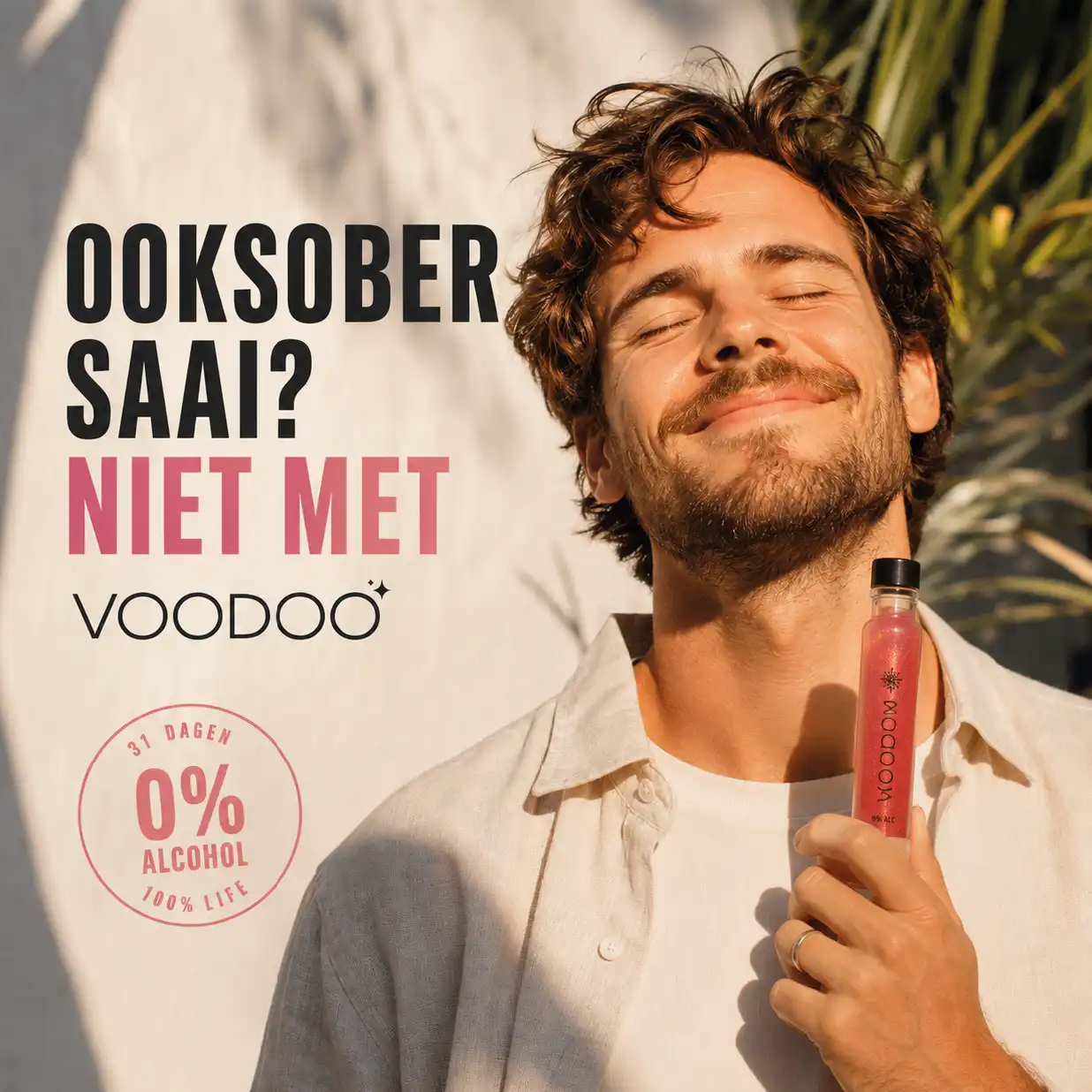
Brands such as VOODOO are exploring this space by offering consumers new ways to participate in social occasions without relying on traditional drinking habits.
For consumers who want to explore these emerging categories, the VOODOO Shop provides an introduction to the concept of FEELABLES.
Conclusion
Research from the Trimbos Institute confirms that Dutch consumers are drinking less alcohol and increasingly exploring alternatives. The growth of alcohol-free beer, wine and mocktails shows that demand for change is real.
However, the next stage of this evolution may not simply be about removing alcohol. It may be about creating better experiences.
As consumers continue to prioritise connection, atmosphere and memorable moments, the most successful beverage categories of the future are likely to be those that answer a simple question:
If people want less alcohol, what do they want more of?