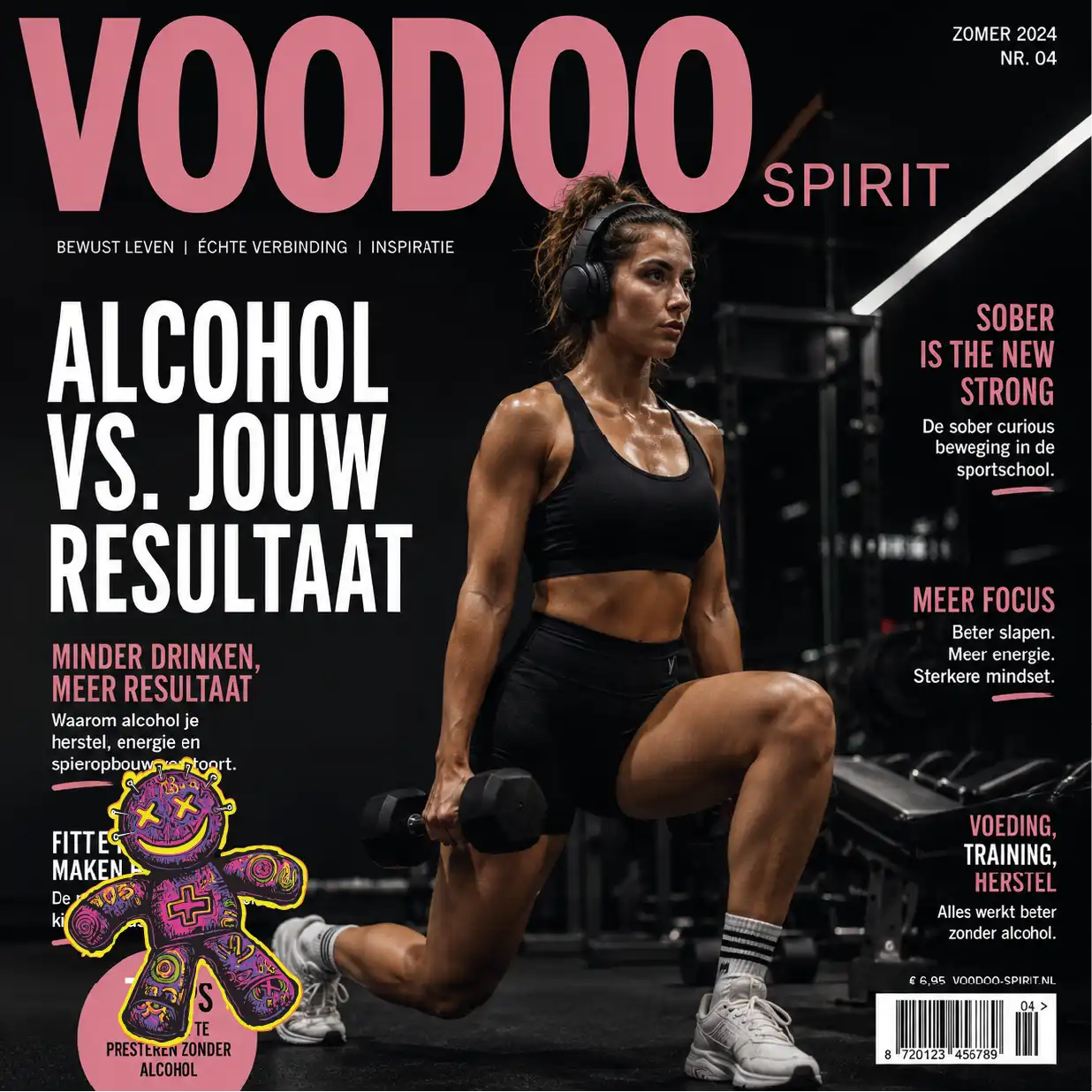
Millions of people are investing more time than ever in fitness, running, Hyrox, strength training and overall wellbeing. At the same time, alcohol consumption is declining, especially among younger generations. This raises an important question: if you work hard for your performance, recovery and physique, does alcohol still fit into the picture?
Summary
- More gym-goers are reducing their alcohol consumption.
- Alcohol can negatively affect recovery, sleep and muscle growth.
- Fitness culture is becoming a major driver behind the No & Low movement.
- Consumers still want social experiences and enjoyment.
- New categories such as FEELABLES are emerging between fitness and nightlife.
Why Athletes and Gym-Goers Are Drinking Less Alcohol
- Fitness culture continues to grow.
- Performance matters more than ever.
- Consumers are becoming more intentional about drinking.
Across the Netherlands, fitness has become part of everyday life. Gyms are full, running clubs are growing and events such as Hyrox are attracting thousands of participants. Health and performance are no longer niche interests. They have become mainstream.
As a result, many people are taking a closer look at the role alcohol plays in their lifestyle. After spending hours in the gym, preparing meals and focusing on recovery, many consumers question whether heavy drinking still aligns with their goals.
This trend is particularly visible among younger generations. Gen Z and Millennials increasingly value energy, wellbeing and physical performance. They still enjoy social occasions, but they are often less willing to sacrifice an entire day of recovery after a night of drinking.
This does not mean athletes never drink. It simply means they are becoming more conscious about when, why and how much they drink. The result is a growing movement of consumers who are actively looking for alternatives that better fit their active lifestyles.
How Does Alcohol Affect Muscle Growth?
- Recovery is essential for progress.
- Alcohol can interfere with sleep quality.
- Muscle growth depends on effective recovery.
One of the main reasons athletes reduce alcohol consumption is its potential impact on recovery. Training itself does not build muscle. Recovery does. Every workout creates stress that the body must repair and adapt to.
Sleep plays a crucial role in this process. During sleep, the body carries out many of the recovery mechanisms that support performance and muscle development. Poor sleep quality can make recovery less effective, leaving athletes feeling less energised and less prepared for their next training session.
Alcohol may also influence hydration and overall recovery quality. After intense exercise, athletes typically focus on nutrition, water intake and rest. These habits help support the body’s natural recovery processes.
For many active consumers, the question becomes simple: why spend so much effort on training if lifestyle choices consistently undermine recovery? This mindset is encouraging more people to moderate their drinking habits and explore alternatives that support rather than compete with their fitness goals.
Do You Have to Choose Between Fitness and Fun?
- People still want to socialise.
- Celebration remains important.
- Consumers are looking for balance.
A common misconception is that fitness-focused consumers no longer want to enjoy themselves. In reality, most people still love social occasions. They still attend festivals, birthdays, dinners, sporting events and nights out with friends.
The challenge is not choosing between fitness and fun. The challenge is finding balance between the two.
Many people no longer want to spend an entire weekend recovering from a single night out. They want to wake up feeling good, continue training and remain productive while still participating in social experiences.
This shift is creating demand for alternatives that fit modern lifestyles. Consumers want products that feel exciting, social and enjoyable without necessarily carrying the same compromises traditionally associated with alcohol.
Increasingly, the goal is not to eliminate fun. It is to find new ways to experience it.
The Rise of Sober Fitness Culture
- Sober Curious is growing in fitness communities.
- Running clubs and wellness groups are expanding.
- Social experiences are evolving.
The Sober Curious movement is no longer limited to health enthusiasts. It has become increasingly visible within fitness communities, endurance sports and wellness-focused lifestyles.
Many running clubs now organise alcohol-free social events. Fitness communities often prioritise recovery, nutrition and long-term wellbeing. As these groups grow, new social norms begin to emerge.
This does not mean people are becoming less social. In many cases, they are becoming more social. Communities built around fitness often emphasise connection, shared goals and meaningful experiences.
Consumers are discovering that socialising does not have to revolve around alcohol. The experience itself becomes the focus. This creates opportunities for new beverage categories that fit naturally into these evolving lifestyles.
As more consumers adopt this mindset, demand for innovative alternatives is expected to continue growing.
What If You Want the Experience Without the Alcohol?
- Consumers still want to feel involved.
- Social rituals remain important.
- New categories are emerging.
For many consumers, the real challenge is not giving up alcohol. The real challenge is replacing the experience.
People enjoy the ritual of holding a drink. They enjoy sharing moments with friends. They enjoy the excitement, anticipation and atmosphere that often accompany social occasions.
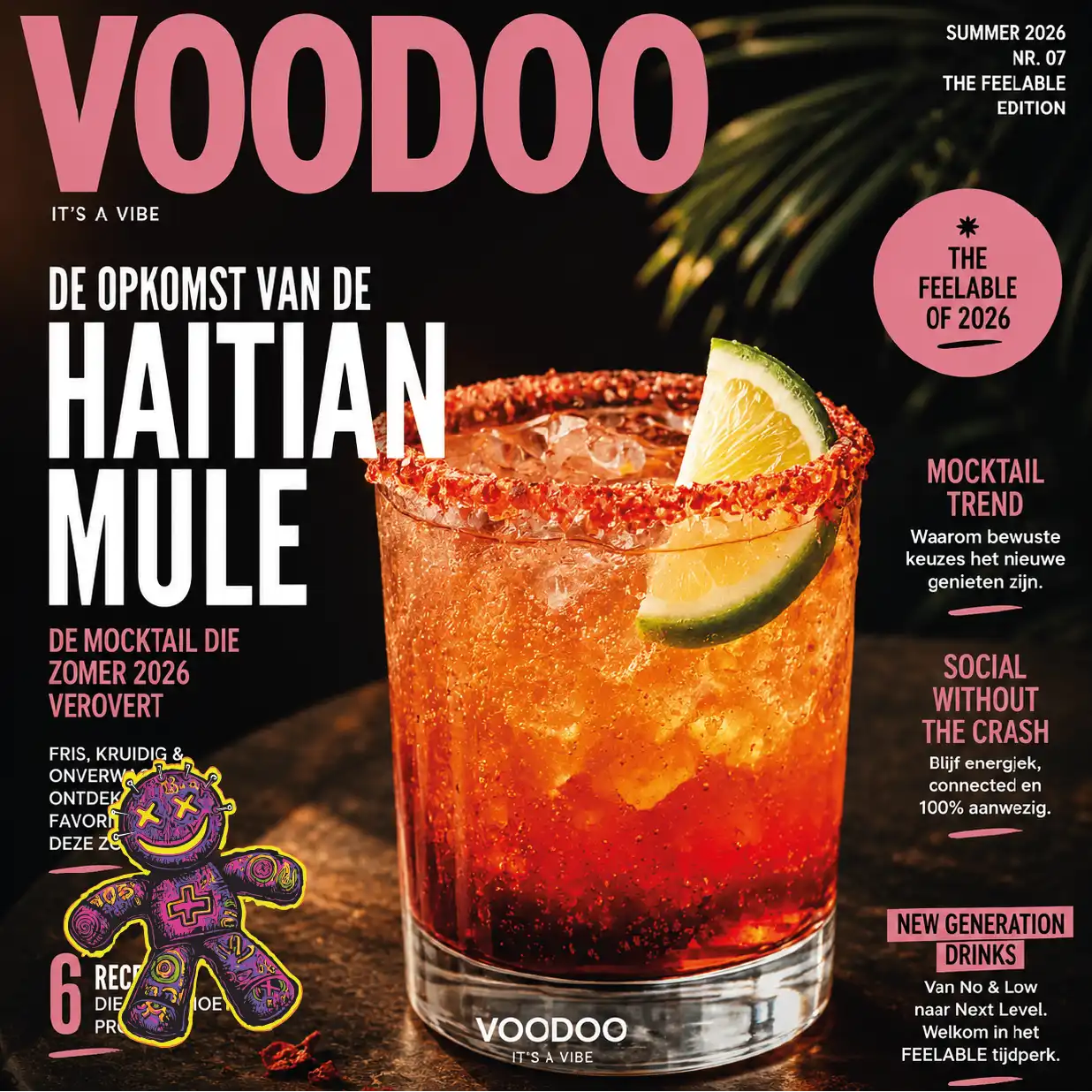
This is one of the reasons categories such as FEELABLES are beginning to attract attention. Rather than focusing solely on what has been removed, these products focus on the experience itself.
Consumers are increasingly looking for alternatives that allow them to remain part of the moment while supporting the lifestyle choices they make throughout the week. They want to train hard, recover well and still enjoy social occasions without feeling as though they have to choose one lifestyle over the other.
For people exploring alternatives beyond traditional alcohol and soft drinks, the VOODOO Shop offers an introduction to the emerging FEELABLES category.
Conclusion
Sport and alcohol have always had a complicated relationship. As fitness culture continues to grow, more consumers are questioning whether traditional drinking habits still fit their goals and lifestyle.
At the same time, people are not looking for less life. They still want social connection, enjoyment and memorable experiences. The difference is that many are now searching for new ways to achieve those experiences without sacrificing their recovery, energy and performance.
This shift is helping drive the growth of alcohol-free alternatives, Sober Curious lifestyles and entirely new categories such as FEELABLES.